 | |
Who are intellectuals?
|
Trí thức là ai?
|
There are some educated people who are of the opinion that intellectuals do not exist. If intellectuals do not exist, why was this term coined anyway?
|
Có một số người có học có quan điểm cho rằng trí thức không hề tồn tại. Nếu trí thức không tồn tại, lý do tại sao vẫn có thuật ngữ này?
|
On the contrary, if intellectuals do exist, it is interesting to find out how one could recognize them. And finally, if they exist, what is their purpose in the society?
|
Ngược lại, nếu trí thức có tồn tại, thì điều thú vị là tìm hiểu người ta có thể nhận ra trí thức bằng cách nào. Và cuối cùng, nếu trí thức tồn tại, thì mục đích của họ trong xã hội là gì?
|
The article that follows will try to present the author's private opinion about the subject. So lay down comfortably in your armchair and continue reading, maybe you find even something interesting!
|
Bài viết sau sẽ cố gắng trình bày ý kiến riêng của tác giả về chủ đề này. Vì vậy, mời bạn nằm xuống thoải mái trong ghế bành rồi hãy tiếp tục đọc, có thể bạn sẽ tìm thấy một cái gì đó thú vị!
|
First try to define an intellectual
|
Trước tiên hãy thử định nghĩa một trí thức
|
Although I know it is somewhat borring stuff, it is inevitable to mention some definitions of intellectuals which you could find in literature or common life. This is necessary to mention in order for article reader to understand that the topic of intellectuals is pretty serious one which cuts into various pours of social life and different human interests. You can see this from the following definitions:
|
Mặc dù tôi biết việc này thật chán ngán, nhưng không thể tránh được, đành phải đề cập đến một số định nghĩa về trí thức mà bạn có thể tìm thấy trong tư liệu hoặc trong đời thường. Cần phải đề cập đến định nghĩa để cho người đọc bài viết này hiểu rằng chủ đề trí thức là một chủ đề khá nghiêm túc, một trong những lát cắt vào các phân khúc khác nhau của đời sống xã hội và lợi ích của con người. Bạn có thể thấy điều này từ các định nghĩa sau đây:
|
- First definition: some people think that intellectual is the conscience of the society; he is the representative of truth and justice for all.
- Second definition: by some people, intellectual is in the same context with proletariat in the capitalistic countries, who has got a sort of leading role.
- Third definition: intellectual is an educated person.
- Fourth definition: intellectual is "the man of law" who is universally opposed to the abuses of power and endangering of general human well-being.
- Fifth definition: intellectual is a very intelligent and very educated person "who spends time thinking about complicated ideas and discussing them".
|
- Định nghĩa thứ nhất: một số người nghĩ rằng trí thức là lương tâm của xã hội, trí thức là người đại diện của sự thật và công lý cho tất cả mọi người.
- Định nghĩa thứ hai: một số người cho rằng trí thức cũng nằm trong hoàn cảnh tương tự với giai cấp vô sản ở các nước tư bản, những người đã giữ một vai trò lãnh đạo.
- Định nghĩa thứ ba: trí thức là một người có học thức.
- Định nghĩa thứ tư: trí thức là "người của quy luật" thường xuyên chống lại lạm dụng quyền lực và hiểm họa đối với sự an lành của công chúng.
- Định nghĩa thứ năm: trí thức là một người rất thông minh và có học vấn cao "dành thời gian suy nghĩ về những ý tưởng phức tạp và thảo luận về chúng".
|
Definition of an intellectual
Because this article has in mind a mortal who wishes to know what the author of the article wanted to say, here comes the definition; you can compare it with the definitions above, so we can start directly from the center of the matter.
|
Định nghĩa về một trí thức
Bởi vì bài viết này nhắm đến người đọc muốn biết tác giả của bài viết định nói gì, nên ở đây có một định nghĩa, bạn có thể so sánh nó với các định nghĩa ở trên, để chúng ta có thể bắt đầu ngay từ trung tâm của vấn đề.
|
So, intellectual is a person with following characteristics:
- he searches for objective truth and he is successful in that search above the average;
- he is intellectually involved in topics which are important for society (primarily science or public life);
- he controls his emotions in searching for objective truth;
- he subordinates his material, political or other interests to search for objective truth;
- this is a person whose high education is above average.
|
Thế thì, trí thức là một người có các đặc điểm sau:
- tìm kiếm sự thật khách quan và thành công trong sự tìm kiếm ấy trên mức trung bình;
- để tâm để trí vào các chủ đề quan trọng đối với xã hội (chủ yếu là khoa học và đời sống công cộng);
- kiểm soát cảm xúc của mình trong khi tìm kiếm sự thật khách quan;
- coi lợi ích vật chất chính trị hay lợi ích khác của mình là thứ yếu so với việc tìm kiếm sự thật khách quan;
- là một người có học vấn cao trên mức trung bình.
|
In the further text you could find not only the explanation for those characteristics which are mainly clear by themselves, but also some interesting suppositions on intellectuals which are a consequence of this definition.
|
Trong phần tiếp theo của bài này, bạn có thể tìm thấy không chỉ là lời giải thích cho những đặc điểm trên mà tự thân nó đã khá rõ ràng, mà còn cả một số giả định thú vị về trí thức như là một hệ quả của định nghĩa này.
|
Intellectual and objectivity
Objectivity is the basic characteristic of an intellectual. Without objectivity, an intellectual is worthless both individually and collectively, in the direct meaning of the word "worthless". To think just for the sake of thinking is the feature of lazy people. Objectivity however, is the living tissue of thinking.
|
Trí thức và tính khách quan
Khách quan là đặc tính cơ bản của trí thức. Nếu không có tính khách quan, trí thức vô dụng cả về mặt cá nhân lẫn về mặt tập thể, với ý nghĩa trực tiếp của từ "vô dụng". Tư duy chỉ vì lợi ích của tư duy là đặc tính của người lười biếng. Tuy nhiên, tính khách quan là tế bào sống của tư duy.
|
Here is what Sartre says about the intellectual of his time and their objectivity: "... the kind of question where many intellectuals are too quick to take sides. Their being intellectuals ought to inhibit them from making up their minds one way or the other because they are supposed to bed on the side of truth, i.e. of the strict determination beforehand of the scope of possibility. But here one of the 'possibilities' is missing - namely knowledge, information. Making up your mind with full knowledge of the facts is fine. Making up your mind in a state of ignorance means backsliding into the particular. It means abandoning the defining criterion of the intellectual".
|
Dưới đây là những gì Sartre nói về trí thức của thời đại mình và tính khách quan của họ: "... loại câu hỏi mà nhiều trí thức nhanh chóng giữ lập trường. Vị thế trí thức buộc họ phải ngăn chặn việc quyết định bằng cách này hay cách khác bởi vì họ có nghĩa vụ phải đứng về phía sự thật, nghĩa là xác định trước một cách nghiêm ngặt các khả năng. Nhưng ở đây một trong những 'khả năng' là thiếu - cụ thể là thiếu kiến thức, thông tin. Quyết định với kiến thức đầy đủ về các sự kiện là tốt. Quyết định khi còn dốt nát có nghĩa là sa ngã vào các biệt lệ. Nó có nghĩa là từ bỏ các tiêu chí xác định của trí thức".
|
Biased attitude is the opposite pole of objectivity and typically it is caused by the following factors:
- emotion, bias, exaggeration, carrying away;
- lack of facts;
- small life experience;
- tendency to unlimited dreaming with no ground sense for reality.
|
Thái độ thiên vị là cực đối lập với khách quan và thường nó được tạo ra bởi các yếu tố sau đây:
- cảm xúc, thiên vị, cường điệu, lấp liếm;
- thiếu các sự kiện;
- thiếu kinh nghiệm sống;
- xu hướng mơ mộng không giới hạn mà không có ý nghĩa thực tiễn nào.
|
Natural sciences (physics, chemistry, mathematics and other) stimulates objectivity because they are based on natural, mostly unique and predominantly obvious laws. The social sciences however, are abundant with a great deal more diametric opposite and simultaneous theories (psychology, sociology, philosophy and other), so the social scientists must exercise the additional effort to stay in the range of reality when practicing their profession.
|
Khoa học tự nhiên (vật lý, hóa học, toán học và các khoa học khác) kích thích tính khách quan bởi vì chúng dựa trên quy luật tự nhiên, phần lớn là duy nhất và rõ ràng. Các khoa học xã hội, phong phú với rất nhiều lý thuyết đồng thời đối chọi nhau (tâm lý học, xã hội học, triết học và các khoa học khác), vì vậy các nhà khoa học xã hội phải thực hiện các nỗ lực bổ sung để giữ được lập trường thực tế khách quan khi thực hành nghề nghiệp của họ.
|
Intellectual and emotion
Personal emotions are inseparable part of human nature which influences objectivity at most. That is why thinking, objectivity and emotions are united and harmonic entirety, the real holly trinity of intellectualism.
|
Trí thức và cảm xúc
Cảm xúc cá nhân là một phần không thể tách rời của bản chất con người mà có ảnh hưởng đến tính khách quan rất nhiều. Đó là lý do tại sao tư duy, tính khách quan và cảm xúc là bộ ba thần thánh hiện thực của tính trí thức.
|
The main problem of objectivity is not much the lack of facts, but the emotional bias. Although emotions are inevitable and spurring part of human nature, they are at the same time his limitations. Who knows how many human quarrels, misunderstandings, scientific discoveries, and whatever else has not been solved because of human emotions? Man with high emotions is not able to think objectively.
|
Vấn đề chính của tính khách quan không phải là việc thiếu các sự kiện, nhưng thiên vị tình cảm. Mặc dù cảm xúc là không thể tránh khỏi và là bộ phận thúc đẩy của bản chất con người, thì đồng thời cảm xúc cũng là hạn chế của con người. Ai đếm được có bao nhiêu cuộc cãi vã, hiểu lầm, những khám phá khoa học, và bất cứ điều gì khác mà đã không được giải quyết chỉ do xúc cảm của con người? Người có những cảm xúc cao thì không thể suy nghĩ khách quan được.
|
In the vast majority of human discussions, the opinion is less exchanged, and much more personal emotions are traded or supported. Even when trying to present some facts, man is mostly just trying to find a reasonable argument that will not undermine his emotions about the topic he tries to talk about.
|
Trong hầu hết các cuộc thảo luận của con người, ý kiến ít được trao đổi hơn, và quá nhiều cảm xúc cá nhân được trao đổi, hay bênh vực. Ngay cả khi tìm cách trình bày một số sự kiện, con người chủ yếu chỉ cố gắng để tìm một lập luận hợp lý rmà sẽ không hạ thấp cảm xúc của mình về chủ đề họ đang nói về.
|
Still at the start of last century the advertising agents began teaching their apprentices not to address the human reason in the article advertisement, but to address the human subconscious - emotions. Unfortunately, this has just opened the door to manipulations and disinformation which followed afterwards by using this principle.
|
Tuy nhiên vào đầu thế kỷ trước, các nhân viên quảng cáo đã bắt đầu dạy cho người học việc của họ không được đề cập tới lý trí con người trong quảng cáo, mà chỉ hướng tới tiềm thức hay cảm xúc. Thật không may, điều này chỉ mở cửa cho các mánh khóe và thông tin đánh lạc hướng tiếp theo sau đó khi người ta sử dụng nguyên tắc này.
|
Non-intellectual is more interested in public recognition. Intellectual however, is firstly interested to come to the objective truth, even sacrificing his previous thoughts or feelings. Emotional dominance during thinking and in discussion is the worst enemy of an intellectual. Intellectual is ready to respect facts even when that is contrary to his previous believes. In psychology that is called elastic reasoning and by the Russian authors it is considered as one of the human intelligence factors.
|
Phi trí thức thì quan tâm nhiều đến sự ghi nhận của công chúng. Trí thức, trước hết, quan tâm đến sự thật khách quan, thậm chí hy sinh những ý tưởng hoặc cảm xúc trước đó của mình. Sự thống trị của tình cảm trong suy nghĩ và thảo luận là kẻ thù tồi tệ nhất của một trí thức. Trí thức là sẵn sàng tôn trọng sự thật ngay cả khi nó trái với những xác tín trước đó của mình. Trong tâm lý học gọi là tư duy đàn hồi, còn các tác giả Nga thì coi nó như một trong những yếu tố của trí thông minh con người.
|
Emotions are inseparable and useful part of human nature. Emotions are the cause of the best but also the worst phenomena in society (pogroms, genocide, wars, hatred, rape, irrationality). Intellect is usually a passive servant to the emotions at people. At intellectual however, the ration of intellect and emotions is moved to the advantage of intellect. Intellectual definitively must have a skill either learnt or inherited towards balanced emotions, so he can recognize the truth with the least possible blur of his own personal emotional storms. That is why the consciousness of one's own emotions as well as careful maintenance of proportion between reasoning and instinct during the reasoning process, is probably the most important feature of an intellectual.
|
Cảm xúc là một phần không thể tách rời và hữu ích của bản chất con người. Cảm xúc là nguyên nhân của những hiện tượng tốt nhất và cả tồi nhất trong xã hội (tàn sát dân Do-Thái, diệt chủng, chiến tranh, hận thù, hãm hiếp, sự phi lý). Trí tuệ là một người đầy tớ thụ động của những cảm xúc ở nhiều người. Tuy nhiên, ở trí thức, tỷ lệ của trí tuệ và cảm xúc được chuyển đổi theo hướng lợi thế thuộc về trí tuệ. Trí tuệ dứt khoát phải có một kỹ năng hoặc có thể học hỏi hoặc được thừa kế để hướng tới những cảm xúc cân bằng, vì vậy trí thức có thể nhận ra sự thật với cơn bão cảm xúc ít mờ ảo nhất của riêng cá nhân mình. Đó là lý do tại sao nhận thức về những cảm xúc riêng cũng như duy trì thận trọng tỷ lệ giữa lý trí và bản năng trong quá trình lý luận, có lẽ là đặc tính quan trọng nhất của trí thức.
|
The changed role of an intellectual
From the middle of the last century the identity of an intellectual and his social role has declined considerably. The very term intellectual has become blurred (that is why there are so many different definitions).
The world globalization has influenced quite a lot the shedding of term intellectual because it spurs the loss of individual ability for independent and objective reasoning about broad phenomena. Globalization is doing this influence by the bad and exaggerated specialist education, by spurring of average, and by spreading of consumer mentality. The influence of media and disinformation is so big that an individual in the society has very low chances to become an intellectual - ever.
|
Vai trò đã thay đổi của trí thức
Từ giữa thế kỷ trước, bản sắc trí thức và vai trò xã hội của trí thức đã suy giảm đáng kể. Ngay cả thuật ngữ trí thức cũng đã mù mờ đi (đó là lý do tại sao có rất nhiều định nghĩa khác nhau).
Việc toàn cầu hóa thế giới đã ảnh hưởng khá nhiều đến sự rơi rụng của thuật ngữ trí thức bởi vì nó gia tăng sự mất năng lực tư duy độc lập và khách quan của cá nhân về các hiện tượng phổ biến. Toàn cầu hóa đang gây ra ảnh hưởng này do lối giáo dục chuyên môn vừa tồi vừa cường điệu quá mức, bằng cách thúc đẩy tính trung bình, và bằng cách lây lan não trạng tiêu dùng. Sự ảnh hưởng của phương tiện truyền thông và thông tin sai lạc lớn tới mức mà hơn bao giờ hết, một cá nhân trong xã hội có cơ hội cực thấp để trở thành một trí thức.
|
Intellectual and Globalism
These terms are basically opposed to each other.
Globalism supports collective identical culture, and low education or highly specialist education, institutionalization and full control of all society happenings. The influence of an intellectual as defined previously in this text is quite the opposite to the modern globalism: an intellectual is independent thinker, spiritually separated from institutions, often express his will and his opinion, refuses to adopt his mind to the official daily politics, and he exposes demagogy and disinformation with by means of his education and with the depth of his thought.
|
Trí thức và chủ nghĩa toàn cầu
Những thuật ngữ này về cơ bản trái ngược với nhau.
Toàn cầu hóa hỗ trợ văn hóa tập thể giống hệt nhau, và học vấn thấp hoặc giáo dục chuyên môn cao, thể chế hóa và kiểm soát đầy đủ tất cả các diễn biến xã hội. Sự ảnh hưởng của một trí thức như đã định nghĩa đầu bài viết này là hoàn toàn ngược lại với chủ nghĩa toàn cầu hiện đại: trí thức một nhà tư tưởng độc lập, tách biệt về mặt tinh thần khỏi các thể chế, thường bày tỏ ý chí và ý kiến của mình, từ chối chấp nhận suy nghĩ theo chính trị thường nhật chính thống, trí thức phơi bày sự mị dân và thông tin sai lạc thông qua giáo dục và với chiều sâu tư tưởng của mình.
|
However, as all other government rules, Globalism readily attempts to make use of intellectuals in its daily politics. Political use of intellectuals is the integral part of every political authority. Every government in history attempted to use, control, or intimidate intellectuals. The level of defense which intellectual could afford depended on the size of his own intellectualism, which sometimes goes up their highest limits. The antagonism between intellectuals and society existed long before contemporary times; it is enough to remind ourselves of the situation of intellectuals in the Middle ages: they were tortured, expelled, torched. Barbaric acts imposed on intellectuals sometimes today are often just the other form of torture which their predecessors endured in the past.
|
Tuy nhiên, như tất cả các thể chế cai trị khác, chủ nghĩa toàn cầu sẵn sàng tìm cách sử dụng trí thức trong nền chính trị thường nhật của nó. Sử dụng trí thức về mặt chính trị là phần không thể thiếu của tất cả các chính quyền. Tất cả các chính phủ trong lịch sử đều đã cố gắng sử dụng, kiểm soát, hoặc đe dọa các nhà trí thức. Mức độ bảo vệ mà trí thức có thể có phụ thuộc vào kích thước của tri thức riêng của họ, mà đôi khi đạt tới giới hạn cao nhất. Đối kháng giữa trí thức và xã hội tồn tại từ lâu trước thời hiện đại; thật quá đủ khi nhắc lại tình hình của trí thức trong thời Trung cổ: họ đã bị tra tấn, bị trục xuất, thiêu chết. Hành vi dã man đôi khi áp đặt với trí thức ngày nay thường chỉ là hình thức nhục hình khác mà những người tri thức trước đây phải chịu đựng trong quá khứ.
|
Intellectualism as barrier to manipulation
Masses manipulation is in all societies based in considerable amount on the low level of people intellectualism. The use of masses non-intellectualism for political, economic, or other aims has some of frequent forms like the following disperse examples:
- advertisement: they mostly make use of subconscious methods of influence;
- disinformation of all kinds: they are placed as rumor or through media;
- The example of literary opus of Agate Christie: Her romans have been the first which popularized the crime roman on the large scale in literature. Murders were added skillfully into these romans by making use of human curiosity and tendency for amusement. That is why the murder imperceptibly presented itself ALONG the funny activity, so it itself became the amusement for the readers. These romans were the first large basic preparation for the later explicit scenes of extreme violence in contemporary Hollywood and other movies.
Hollywood movies: rapes, murders and torture of every kind are shown even to the little children all over the world.
|
Trí thức là rào cản đối với sự lũng đoạn
Lôi kéo quần chúng trong tất cả các xã hội dựa đáng kể vào mức độ tri thức thấp của người dân. Việc sử bộ phận phi-trí thức cho các mục tiêu chính trị, kinh tế, hoặc một số mục đích khác thường có các hình thức phát tán như sau, ví dụ:
- quảng cáo: chủ yếu sử dụng các phương pháp ảnh hưởng tiềm thức;
- thông tin sai lạc các loại: được làm ra như tin đồn hay thông qua các phương tiện truyền thông;
- Ví dụ trong các tác phẩm văn học của Agate Christie: Các chuyện tình lãng mạn của bà lần đầu tiên phổ biến loại chuyện tình tội phạm trên quy mô lớn trong văn học. Các vụ giết người đã được khéo léo thêm vào những chuyện tình lãng mạn bằng cách kích thích sự tò mò của con người và khuynh hướng giải trí. Đó là lý do tại sao giết người bất ngờ được trình bày cùng các hoạt động vui chơi, vì vậy chính giết người cũng trở thành vui chơi giải trí cho độc giả. Những chuyện tình lãng mạn kiểu này là sự chuẩn bị cơ bản lớn lao đầu tiên cho những cảnh quay rõ ràng là bạo lực cực đoan của Hollywood đương đại và các phim khác về sau.
Phim ảnh Hollywood: hãm hiếp, giết người và tra tấn các kiểu được chiếu cả cho trẻ nhỏ trên toàn thế giới.
|
The significance of intellectuals
Intellectuals offer correct prediction and diagnosis of natural and social phenomena, or they greatly facilitate the advance of human reasoning in specific science field. Intellectuals are not the only group which give the significant contribution to the human knowledge, but they are probably the piercing potential which society has at hand.
|
Tầm quan trọng của trí thức
Trí thức cung cấp dự đoán chính xác và chẩn đoán cho các hiện tượng tự nhiên và xã hội, hoặc họ tạo điều kiện thuận lợi rất nhiều cho sự tiến bộ của tư duy của con người trong các lĩnh vực khoa học cụ thể. Trí thức không phải là nhóm duy nhất có đóng góp đáng kể vào sự hiểu biết của con người, nhưng họ có lẽ là tiềm năng mũi nhọn mà xã hội sẵn có trong tay.
|
Sometimes intellectuals are called elite, but the elite is broader term then intellectuals, and it can contain quite non-intellectuals. In that respect it can be said that intellectuals are essentially "elite of elite".
|
Đôi khi trí thức được gọi là tinh hoa, nhưng tầng lớp tinh hoa là thuật ngữ có nghĩa rộng lớn hơn so với trí thức, và nó có thể chứa khá nhiều phi-trí thức. Do đó, có thể nói rằng trí thức về cơ bản là "tinh hoa của tinh hoa".
|
However, the practical significance of intellectuals in society is in direct proportion to the quality of human relationships. The low quality of human relationships lead to suppression of intellectuals, which can be easily spotted in dictatorships, although the suppression of intellectuals is not limited just there.
|
Tuy nhiên, vai trò thực tế của các trí thức trong xã hội là tỷ lệ thuận với chất lượng của các mối quan hệ của con người. Chất lượng thấp các mối quan hệ của con người dẫn đến sự đàn áp trí thức, mà có thể dễ dàng phát hiện trong chế độ độc tài, mặc dù sự đàn áp của trí thức không chỉ giới hạn ở đó.
|
 | |
There is no known society in the world lead by intellectuals today. Generally speaking the Plato's idea of philosophers leading society will stay for many centuries just utopia, because the human society today is still at the level of its ancestors by the phrase "stronger oppresses". The narrow-ownership society layers will always suppress and exploit the intellectuals in their range, until in some future distant times the mankind eventually reaches some more qualitative degree of consciousness which will "let the better ones to rule". So the philosophers of our Plato will still have to wait long in lines for their real place in human society.
|
Ngày nay, trên thế giới không có xã hội nào được biết đến lại do trí thức lãnh đạo. Nói chung ý tưởng của Plato về việc các triết gia lãnh đạo xã hội vẫn còn không tưởng trong nhiều thế kỷ nữa, bởi vì xã hội loài người ngày nay vẫn còn ở cấp độ của tổ tiên họ với từ ngữ "áp bức mạnh hơn". Tầng lớp hữu sản hẹp hòi trong xã hội sẽ luôn luôn đàn áp và khai thác những người trí thức trong phạm vi ảnh hưởng của họ, cho đến khi trong một tương lai xa xôi, loài người cuối cùng tiến đến một mức độ nhận thức đạt chất lượng sẽ "để cho những ai tốt hơn được lãnh đạo". Vì vậy, các nhà triết học của Plato của chúng ta vẫn sẽ phải chờ đợi lâu dài trong dòng người sắp hàng để có vị trí thực sự của họ trong xã hội loài người.
|
Translated by nguyenquang
| |
http://home.drenik.net/slavne/TemeKultura/intelektualciEng.htm
| |

Saturday, January 21, 2012
Who are intellectuals? Trí thức là ai?


Friday, January 20, 2012
''The West Is Terrified of Arabic Democracies'' ''Phương Tây sợ dân chủ Ả Rập''
| | |
| ''The West Is Terrified of Arabic Democracies''
| ''Phương Tây sợ dân chủ Ả Rập''
|
| Ceyda Nurtsch
| Ceyda Nurtsch
|
| Noam Chomsky is one of the major intellectuals of our time. The eighty-two-year-old American linguist, philosopher and activist is a severe critic of US foreign and economic policy. Ceyda Nurtsch talked to him about the Arabic spring in its global context
| Noam Chomsky là một trong những nhà trí thức lớn của thời đại chúng ta. Nhà ngôn ngữ học, triết gia, và nhà hoạt động xã hội 82-tuổi người Mỹ này là một người phê phán nghiêm khắc chính sách đối ngoại và kinh tế của Mỹ. Ký giả Ceyda Nurtsch đã nói chuyện với ông về Mùa Xuân Ả Rập trong bối cảnh toàn cầu.
|
| June 22, 2011 - Mr. Chomsky, many people claim that the Arab world is incompatible with democracy. Would you say that the recent developments falsify this thesis?
| 22 Tháng Sáu năm 2011 - Thưa ông Chomsky, nhiều người cho rằng thế giới Ả Rập không tương thích với nền dân chủ. Ông có nghĩ rằng những tiến triển gần đây chứng tỏ rằng nhận định này là sai lầm không?
|
| Noam Chomsky: The thesis never had any basis whatsoever. The Arab-Islamic world has a long history of democracy. It's regularly crushed by western force. In 1953 Iran had a parliamentary system, the US and Britain overthrew it. There was a revolution in Iraq in 1958, we don't know where it would have gone, but it could have been democratic. The US basically organized a coup.
| Noam Chomsky: Các nhận định trên chưa bao giờ có bất kỳ cơ sở nào. Thế giới Ả Rập Hồi giáo từng có một lịch sử lâu dài về dân chủ. Và nó thường xuyên bị nghiền nát bởi áp lực của phương Tây. Năm 1953, Iran đã có một hệ thống nghị viện, mà Mỹ và Anh đã lật đổ nó. Đã có một cuộc cách mạng tại Irak trong năm 1958, chúng ta không biết nó sẽ diễn biến ra sao, nhưng nó có thể là cách mạng dân chủ. Và Mỹ về cơ bản đã tổ chức một cuộc đảo chính.
|
| | |
| Iranian Prime Minister Mossadegh (center) during a visit in Philadelphia (USA) in 1951, two years before the CIA's coup d'état that ousted him
| Thủ tướng Iran Mossadegh (giữa) trong chuyến công du ở Mỹ năm 1951, hai năm trước khi ông bị CIA đảo chính.)
|
| In internal discussions in 1958, which have since been declassified, President Eisenhower spoke about a campaign of hatred against us in the Arab world. Not from the governments, but from the people. The National Security Council's top planning body produced a memorandum – you can pick it up on the web now – in which they explained it. They said that the perception in the Arab world is that the United States blocks democracy and development and supports harsh dictators and we do it to get control over their oil. The memorandum said, this perception is more or less accurate and that's basically what we ought to be doing.
| Trong các cuộc thảo luận nội bộ năm 1958, ngày nay đã được giải mật, Tổng thống Eisenhower đã nói về một chiến dịch thù địch chống lại chúng ta trong thế giới Ả Rập. Chiến dịch này không phát xuất từ các chính phủ của khối Ả Rập, mà là từ những người dân Ả Rập. Những nhân vật hàng đầu của Hội đồng An ninh Quốc gia Mỹ thời đó đã soạn thảo một bản nhận định về sự kiện này - ngày nay bạn có thể truy cập nó từ trên mạng - trong đó họ đã đưa ra lời giải thích. Họ cho rằng, thế giới Ả Rập ý thức được rằng Mỹ cản trở nền dân chủ xuất hiện và còn phát triển và hỗ trợ các lãnh đạo độc tài hà khắc, và Mỹ làm điều đó để có quyền kiểm soát dầu mỏ của họ. Bản nhận định cho biết nhận thức này của khối Ả Rập khá chính xác và đây cơ bản là những gì người Mỹ chúng ta hẳn đang làm.
|
| That means that western democracies prevented the emergence of democracies in the Arab world?
| Điều đó có nghĩa rằng các nền dân chủ phương Tây luôn ngăn chặn sự xuất hiện của những nền dân chủ trong thế giới Ả Rập?
|
|
Chomsky: I won't run through the details, but yes, it continues that way to the present. There are constant democratic uprisings. They are crushed by the dictators we – mainly the US, Britain, and France – support. So sure, there is no democracy because you crush it all. You could have said the same about Latin America: a long series of dictators, brutal murderers. As long as the US controls the hemisphere, or Europe before it, there is no democracy, because it gets crushed.
|
Chomsky: Tôi sẽ không đi sâu vào chi tiết, nhưng đúng thế, nó tiếp tục như vậy cho đến ngày nay. Có những cuộc nổi dậy liên tục vì dân chủ. Và họ bị nghiền nát bởi bọn lãnh đạo độc tài mà chúng ta - chủ yếu là Mỹ, Anh và Pháp – hậu thuẫn. Vì vậy, chắc chắn sẽ chẳng có nền dân chủ nào xuất hiện được bởi vì chúng ta nghiền nát tất cả. Cũng có thể nói như vậythế về khối Mỹ Latinh: một loạt các lãnh đạo độc tài, bọn giết người tàn bạo. Chừng nào Mỹ còn kiểm soát toàn diện bán cầu này, hoặc Châu Âu trước đó, thì sẽ chẳng có dân chủ được , bởi vì nó bị nghiền nát hết.
|
| So you were not surprised at all by the Arab Spring?
| Thế chắc, ông chẳng ngạc nhiên đâu khi thấy các cuộc nổi dậy của khối Ả Rập?
|
| Chomsky: Well, I didn't really expect it. But there is a long background to it. Let's take Egypt for instance. You'll notice that the young people who organized the demonstrations on January 25th called themselves the April 6th movement. There is a reason for that. April 6th 2008 was supposed to be a major labour action in Egypt at the Mahalla textile complex, the big industrial centre: strikes, support demonstrations around the country and so on. It was all crushed by the dictatorship. Well, in the West we don't pay any attention: as long as dictatorships control people, what do we care!
| Chomsky: Thế này, tôi đã không ngờ nó xuất hiện. Nhưng nó đã có một nền tảng từ lâu. Hãy lấy Ai Cập làm ví dụ. Bạn sẽ nhận thấy rằng những người trẻ tổ chức các cuộc biểu tình vào ngày 25 tháng1 vừa qua tự gọi mình là Phong Trào ngày 06 tháng 4. Có một lý do cho điều đó. Ngày 06 tháng 4 năm 2008 được coi là hành động quan trọng của giới lao động Ai Cập tại khu dệt may Mahalla, một trung tâm công nghiệp lớn của Ai Cập: công nhân đình công, biểu tình và được ủng hộ khắp nơi trên đất nước Ai Cập. Và nó đã bị nghiền nát hết bởi chế độ độc tài. Thế mà, sự kiện quan trong này của giới lao động Ai Cập ở phương Tây chúng ta chẳng hề chú ý: nếu bọn độc tài đãị kiểm soát được dân chúng, thì chúng ta còn cần quan tâm gì nữa đâu!
|
 | |
| Security forces clamp down on workers' strikes and protests in El-Mahalla El-Kubra (photo: AP)
| Lực lượng an ninh đàn áp các cuộc đình công của công nhân (ảnh: AP) |
| "Efforts to create democracy"
On 6 April 2008 Egyptian workers, primarily in the state-run textile industry, were on strike in response to low wages and rising food costs. Strikes were illegal in Egypt, and the protests were eventually crushed
| "Những nỗ lực để tạo ra nền dân chủ"
Ngày 06 Tháng Tư năm 2008 công nhân Ai Cập, chủ yếu là trong ngành công nghiệp dệt may quốc doanh, đã đình công để phản ứng vì lương thấp và giá thực phẩm tăng. Đình công là bất hợp pháp ở Ai Cập, và các cuộc biểu tình cuối cùng đã bị nghiền nát
|
| But in Egypt they remember, and that's only one in a long series of militant strike actions. Some of them succeeded. There are some good studies of this. There is one American scholar, Joel Beinen – he is at Stanford – he has done a lot of work on the Egyptian labour movement. And he has recent articles and earlier ones, in which he discusses labour struggles going on for a long time: those are efforts to create democracy.
| Nhưng tại Ai Cập người dân vẫn nhớ, và đó chỉ là một trong những hành động quân sự chống lại đình công. Một số trong những đàn áp đó đã thành công. Có một số nghiên cứu giá trị về đề tài này. Một học giả người Mỹ, Joel Beinen - tại đại học Stanford - đã có nhiều nghiên cứu về phong trào lao động Ai Cập. Trong những bài báo gần đây và trước đó của ông, ông thảo luận về những cuộc đấu tranh của giới lao động đã liên tục xảy ra trong một thời gian dài: đó chính là những nỗ lực để tạo dựng nền dân chủ.
|
| Obama's predecessor, George W. Bush, claimed to cause a domino effect of freedom with his policy of the "New Middle East". Is there a relation between the uprisings in the Arab world to the policy of George W. Bush?
| Người tiền nhiệm của Obama, George W. Bush, tuyên bố rằng đây là một hiệu quả lan truyền của sự tự do từ chính sách “Trung Đông Mới" của ông. Liệu có mối quan hệ nào giữa các cuộc nổi dậy trong thế giới Ả Rập với chính sách của George W. Bush không, thưa ông Chomsky?
|
| Chomsky: The main theme of modern post-war history is the domino effect: Cuba, Brazil, Vietnam… Henry Kissinger compared it to a virus that might spread contagion. When he and Nixon were planning the overthrow of the democratically elected Allende in Chile – we have all the internal materials now – Kissinger in particular said, the Chilean virus might affect countries as far as Europe. Actually, he and Brezhnev agreed on that, they were both afraid of democracy and Kissinger said, we have to wipe out this virus. And they did, they crushed it.
| Chomsky: Chủ đề chính của lịch sử sau những cuộc chiến tranh hiện đại vừa qua là hiệu ứng domino như: Cuba, Brazil, Việt Nam... Henry Kissinger so sánh nó như một loại vi rút có thể lây lan. Khi ông và Nixon lập kế hoạch lật đổ tổng thống Allende được bầu ra một cách dân chủ ở Chile – bây giờ chúng ta đã có tất cả các tài liệu nội bộ - Kissinger nhấn mạnh rằng, vi rút dân chủ Chile có thể lan xa đến các nước tận Châu Âu. Nên trên thực tế, Kissinger và Brezhnev cả hai đã đồng nhất rằng, họ rất dân chủ và Kissinger đã tuyên bố, chúng ta phải quét sạch loại vi rút này. Và họ đã nghiền nát nó.
|
| Today it's similar. Both Bush and Obama are terrified of the Arab spring. And there is a very sensible reason for that. They don't want democracies in the Arab world. If Arab public opinion had any influence on policy, the US and Britain had been tossed out of the Middle East. That's why they are terrified of democracies in the region.
| Ngày nay nó cũng tương tự vậy. Cả hai ông Bush và Obama đang lo sợ mùa xuân Ả Rập. Có một lý do rất hợp lý cho điều này. Họ không muốn có dân chủ trong thế giới Ả Rập. Vì nếu công chúng Ả Rập có bất kỳ ảnh hưởng nào đối với chính sách đối ngoại của khối Ả Rập, thì Mỹ và Anh đã bị đẩy ra khỏi Trung Đông từ lâu rồi. Đó chính là lý do tại sao họ sợ hãi các nền dân chủ đang trổi dậy trong khu vực này.
|
| The well-known British Middle East correspondent Robert Fisk recently stated that Obama and his policy is irrelevant for the developments in the region…
| Phóng viên về Trung Đông nổi tiếng người Anh, ông Robert Fisk gần đây nói rằng Obama và chính sách của ông ta là không thích hợp cho những tiến triển trong khu vực ... |
| Chomsky: I read the article, it's very good. Robert Fisk is a terrific journalist and he really knows the region well. I think what he means is that the activists in the April 6th movement don't care about the United States. They have totally given up on the US. They know the United States is their enemy. In fact in public opinion in Egypt about 90 per cent think that the US is the worst threat that they face. In that sense the USA is of course not irrelevant. It's just too powerful.
| Chomsky: Tôi có đọc bài viết, nó rất hay. Robert Fisk là một nhà báo xuất sắc và ông ấy thực sự hiểu rất rõ về khu vực Trung Đông. Tôi nghĩ rằng ý của ông Fisk là các nhà hoạt động trong phong trào ngày 06 tháng 4 không quan tâm đến Mỹ nữa. Họ đã hoàn toàn từ bỏ Mỹ. Họ biết Mỹ là kẻ thù của họ. Trên thực tế trong dư luận ở Ai Cập thì khoảng 90 phần trăm người Ai Cập nghĩ rằng Mỹ chính là mối đe dọa tồi tệ nhất mà họ phải đối mặt. Với ý nghĩa như thế thì Mỹ tất nhiên không phải là không liên quan. Mỹ chỉ là quá hùng mạnh mà thôi.
|
| Some criticize the Arab intellectuals for being too silent, too passive. What should the role of the Arab intellectual be today?
| Một số trí thức Ả Rập bị chỉ trích là quá im lặng, quá thụ động. Theo ông trí thức Ả Rập nên đóng vai trò gì ngày nay?
|
| Chomsky: Intellectuals have a special responsibility. We call them intellectuals because they are privileged and not because they are smarter than anyone else. But if you are privileged and you have some status and you can be articulate and so on we call you an intellectual. And it's the same in the Arab world as anywhere else.
| Chomsky: Trí thức có một trách nhiệm đặc biệt. Chúng ta gọi họ là trí thức vì họ được đặc quyền - không phải vì họ thông minh hơn bất cứ ai khác. Mà là nếu bạn có được đặc quyền này và có vị thế trong xã hội để bạn có thể có tiếng nói, thì chúng tôi gọi bạn là một nhà trí thức. Điều này đúng trong thế giới Ả Rập cũng như ở bất cứ nơi nào khác.
|
|
|
|
| http://www.informationclearinghouse.info/article28398.htm | |


Thursday, January 19, 2012
Multi-million-yuan oilfield workship sinks at dock during construction Tàu dầu nhiều triệu nhân dân tệ chìm tại bến tàu trong quá trình xây dựng
|
 | |
| Photo taken on Jan. 18, 2012 shows the bilged oilfield workship at a dock in Nantong City, east China's Jiangsu Province, Jan. 18, 2012. A workship worth an investment of 740 million yuan (117 million U.S. dollars) by the China Oilfield Services Ltd. (COSL), a leading Chinese oil field service provider, has sunk at a dock during construction on Wednesday. The cause of the accident was under investigation and no environmental pollution was incurred, COSL said. (Xinhua)
| Ảnh chụp ngày 18 tháng một năm 2012 cho thấy con tàu khai thác dầu bị thủng tại một bến tàu ở thành phố Nam Thông, tỉnh Giang Tô phía đông Trung Quốc, ngày 18 tháng 1 năm 2012. Một con tàu khai thác dầu với vốn đầu tư 740 triệu nhân dân tệ ($117,000,000) của Dịch vụ mỏ dầu Trung Quốc Ltd (COSL), một nhà cung cấp dịch vụ mỏ dầu hàng đầu Trung Quốc, đã bị chìm tại một bến tàu trong quá trình xây dựng hôm thứ Tư. Nguyên nhân xảy ra tai nạn đang được điều tra và không có ô nhiễm môi trường đã phát sinh, COSL cho biết. (Tân Hoa Xã) |
|
  | |
|
 | |
| A floating bridge across the Yellow River collapses and sinks as two fully loaded trucks try to pass it, in east Jinan, capital of Shandong Province, January 3, 2011. [CFP Photo]
| Một cây cầu phao trên sông Hoàng Hà sụp đổ và chìm khi hai xe tải chở nặng cố gắng qua cầu, ở phía đông Tế Nam, thủ phủ tỉnh Sơn Đông, tháng 3, 2011. [Ảnh CFP] |
|
 | |
War hero has to beg to pay medical bills Anh hùng Hoàng Sa đi ăn xin để trả các hóa đơn y tế
|
| |
| War hero has to beg to pay medical bills
| Anh hùng Hoàng Sa đi ăn xin để trả các hóa đơn y tế
|
| Minnie Chan Dec 1, 2011
| Minnie Chan 1 Tháng 12 năm 2011 |
| A former member of the National People's Congress Standing Committee and war hero in a 1974 battle for the Paracel Islands has been found begging on the street, mainland media reported yesterday.
| Một cựu thành viên của Uỷ ban thường vụ Quốc hội nhân dân và anh hùng chiến tranh trong một trận chiến năm 1974 giành quần đảo Hoàng Sa được thấy lúc đang ăn xin trên đường phố, các phương tiện truyền thông đại lục ngày hôm qua cho biết.
|
| Wu Xianfeng, 61, was awarded a first-class merit after the Battle of the Paracel Islands for successfully repelling an attempt by Vietnamese forces to land on an island in January 1974.
| Wu Xianfeng, 61 tuổi, đã được trao huân chương hạng nhất sau trận chiến ở quần đảo Hoàng Sa vì đã đẩy lùi thành công một nỗ lực của lực lượng Việt Nam đổ bộ lên đảo tháng 1 năm 1974. |
| He is now fighting another enemy - blood cancer - the Hainan-based South China Sea News reported on its website yesterday.
| Ông bây giờ đang chiến đấu chống một kẻ thù khác - ung thư máu - tờ Tin tức Nam Hải có trụ sở tại đảo Hải Nam- tường thuật trên trang web của mình ngày hôm qua.
|
| But the veteran could not afford the expensive medical treatment he required because the government offered him only a normal civil service pension, the report said, adding that he had been forced to beg in public in an attempt to pay for his medical fees because he had used up all his savings.
| Tuy nhiên, cựu chiến binh này có thể không đủ khả năng điều trị y tế đắt tiền mà ông cần có vì chính phủ chỉ cung cấp cho ông một khoản trợ cấp dịch vụ dân sự bình thường, báo cáo nói thêm rằng ông đã bị buộc phải đi ăn xin ở nơi công cộng để trả chi phí y tế bởi vì ông đã sử dụng hết tất cả các khoản tiết kiệm của mình. |
| Only retired government officials enjoy free medical treatment on the mainland.
| Chỉ có các quan chức chính phủ đã nghỉ hưu mới được hưởng điều trị y tế miễn phí ở đại lục. |
| Wu now had to rely on his relatives and friends for financial support, the report said. He has also found a part-time job in a car sales yard in order to make ends meet.
| Wu đã phải dựa vào hỗ trợ tài chính của người thân và bạn bè của mình, bài báo cho biết. Ông cũng đã có một công việc bán thời gian trong một nơi bán xe hơi để đắp đổi qua ngày.
|
| Wu, a native of Hainan's Ledong county, joined the People's Liberation Army when he was 18. He became a volunteer militiaman in 1972 after leaving the army and led militia troops on Money Island in the Paracels to repel a Vietnamese navy landing party, killing more than a dozen enemy troops.
| Wu, một người gốc quận Ledong của đảo Hải Nam, gia nhập Giải phóng Quân Nhân dân (PLA) khi ông 18 tuổi. Ông trở thành một dân quân tình nguyện vào năm 1972 sau khi rời khỏi quân đội và chỉ huy dân binh trên đảo Money Island thuộc quần đảo Hoàng Sa đẩy lùi một toán đổ bộ của lực lượng hải quân Việt Nam, giết chết hơn một chục quân địch.
|
| The Money Island clash made Wu a war hero in 1974, with PLA Pictorial magazine sending top photographer Wu Zhenchao to take his portrait. Wearing a red militia T-shirt, with an automatic rifle around his neck and holding a shell trumpet, Wu stares intently into the distance in one photo that was chosen for the magazine's cover in October 1974.
| Cuộc đụng độ ở đảo Money Island đã biến Wu thành anh hùng vào năm 1974, nhiếp ảnh gia hàng đầu Wu Zhenchao của Báo ảnh PLA đã chụp chân dung của ông. Mặc áo dân binh màu đỏ, với một khẩu súng trường tự động mang quanh cổ và cầm một cây kèn vỏ ốc, Wu nhìn chăm chú vào khoảng xa trong một bức ảnh đã được lựa chọn làm trang bìa tạp chí này vào tháng 10 năm 1974.
|
| | |
| The picture helped Wu to political honours, a report on the Phoenix Satellite Television website said, and he was elected to the NPC Standing Committee in 1975 as part of the Guangdong delegation. Hainan was under the administration of Guangdong until 1988. | Bức ảnh đã giúp Wu vinh danh về chính trị, một bài báo trên trang web của truyền hình vệ tinh Phoenix cho biết, và ông được bầu vào Uỷ ban thường vụ NPC năm 1975 như là một phần của đoàn đại biểu Quảng Đông. Hải Nam thuộc quản lý của Quảng Đông cho đến năm 1988.
|
|
|
|
| Wu also served as deputy head of two harbour bureaus in Hainan, and was a member of the Guangdong Provincial Youth League Committee in the 1970s and '80s, the Phoenix report said. | Wu cũng từng là Phó văn phòng của hai bến cảng ở Hải Nam, và là một thành viên của Uỷ ban Đoàn Thanh niên tỉnh Quảng Đông trong thập niên 1970 và thập niên 80, bài báo cáo của Phoenix cho biết. |
| His current plight, first revealed on a neighbour's blog, sparked an outcry on mainland internet chat rooms and forums. Thousands of internet users said a corrupt bureaucratic system was to blame for his "unfair treatment".
| Hoàn cảnh khó khăn hiện nay của ông, lần đầu tiên tiết lộ trên blog của một người hàng xóm, gây ra một phản đối kịch liệt trên các phòng chat internet và các diễn đàn đại lục. Hàng ngàn người sử dụng Internet cho biết một hệ thống quan liêu tham nhũng phải chịu trách nhiệm về "đối xử không công bằng".
|
| "This is the sadness of our country, where war heroes are always forgotten by our government and history," one internet user wrote on the Hainan News website forum.
| "Đây là nỗi buồn của đất nước của chúng ta, nơi các anh hùng chiến tranh luôn luôn bị lãng quên bởi chính phủ và lịch sử", một người sử dụng Internet đã viết trên diễn đàn trang web Tin tức Hải Nam.
|
| "It's because honest people don't know how to please and collude with corrupt officials," another wrote.
| "Đó là bởi vì những người trung thực không biết làm thế nào để lấy lòng và thông đồng với các quan chức tham nhũng", một người khác đã viết. |
| You Xiaonian , 49, a PLA veteran who fought in the Sino-Vietnam war in 1979, said Wu was not an isolated case among retired soldiers. | You Xiaonian, 49 tuổi, một cựu chiến binh PLA đã chiến đấu trong chiến tranh Trung-Việt Nam vào năm 1979, cho biết Wu không phải là một trường hợp cá biệt trong số các bộ đội đã nghỉ hưu.
|
| "Many of my battle companions who lost their arms and legs in the Sino-Vietnam war have been living in poverty since they were discharged from the army because the Party doesn't care for them in today's economy-first society," he said.
| "Nhiều bạn chiến đấu của tôi, những người bị mất tay và chân trong cuộc chiến tranh Trung-Việt đã phải sống trong cảnh nghèo đói kể từ khi họ rời quân ngũ vì Đảng không chăm sóc cho họ trong xã hội coi kinh tế là hằng đầu ngày nay," ông nói.
|
|
|
|
| http://topics.scmp.com/news/china-news-watch/article/War-hero-has-to-beg-to-pay-medical-bills | |

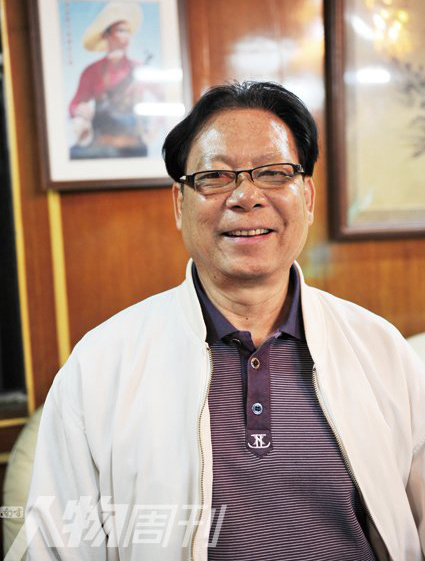
(Ecns.cn)--Wu Xianfeng, a former soldier and member of the Standing Committee of the National People's Congress (NPC), became an Internet sensation several days ago after a rumor spread that he had been reduced to the status of impoverished gatekeeper in the city of Haikou, capital of Hainan Province.
Wu has downplayed the rumors, however. "Poverty is such a strong word, which my wife and I thought inappropriate," said the 61-year-old former head of the Haikou Port Authority.
Wu was diagnosed with leukemia in May 2007 and soon resigned from his position as chairman. "I knew I wouldn't live much longer, but I still wanted to enjoy the achievements of socialist society," he explained.
Wu now depends on an expensive drug that costs over 24,000 yuan ($3,771) a month. Though he only has to pay 10 percent of the cost, Wu still finds it a heavy burden, given that his monthly pension is less than 3,000 yuan ($471.45).
Wu's wife only makes about 1,000 yuan per month, while their son is a college student who still depends on them financially. To relieve the burden, Wu took his current job as a gatekeeper. "Our country has given me a lot, which is enough to content me. I can't turn to the government for help every time I get sick," he said.
However, Wu also complained that "I often see members of the NPC Standing Committee playing golf in Hainan, but I have enjoyed nothing like that at all, even though I used to be one of them. As a retiree, I am enjoying much less welfare than I should."
The 1970s was a peak time for Wu. He was appointed squad leader after joining the army in 1973 and fought bravely in various battles against the invasion of the Republic of Vietnam (South Vietnam).
"I am already old in years, so every day counts for me. But compared to my comrades in arms, 19 of whom died in the Battle of the Paracel Islands, I am a rather lucky guy," he recalled.
Wu was awarded a First Class Merit Citation in 1974, which did little to change his fate, however. In June of the same year he was sent home, where he worked as a stevedore, unrecognized as a great retired soldier.
Nevertheless, he was suddenly elected as deputy to the NPC and became a member of the Standing Committee the following year. In August, he was also appointed vice head of the port authority in Hainan and deputy secretary of the Guangdong Provincial Youth League Committee.
"I was in my 20s then," said Wu, who felt satisfied and chose to work in Hainan.
"While holding a position in Guangdong, I chose to work at the office of the Hainan Port Authority. If I had chosen Guangdong at that time, my life would be totally different now. I was quite young then, and just wanted to gain more experience."
Wu stressed that during his career peak, many provinces, including Hunan and Guizhou, invited him for better jobs.
He also recalled the pain of his failed first marriage: "My former parents-in-law wanted me to live with them in Guangzhou, and I could have worked as deputy director of a development zone. Yet I declined, since I had no relatives there, so I had to divorce my wife," he said.
Wu has since put those troubles behind him and started a new family.
"I am not as bad off as people have described online," he stressed. "I am an ordinary man, living by my own hands. I have declined financial aid from others."
Subscribe to:
Posts (Atom)